Understanding Common Seals in Steel Manufacturing Industry
In the steel manufacturing industry, equipment operates under highly demanding conditions, including high temperatures, high pressures, dust, and corrosive media. This environment places stringent requirements on the seals used in the plant. Seals in steel plants primarily prevent leakage of liquids and gases, protect machinery components, and ensure stable and safe equipment operation. Understanding which seals are essential and how to select them is critical for plant reliability and efficiency.
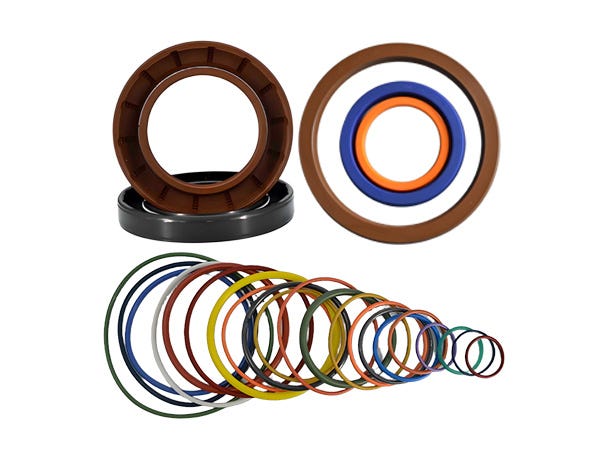
O-rings are among the most frequently used seals in steel plants. They are widely applied in pumps, hydraulic systems, gearboxes, fans, and pipe connections. O-rings are generally made from high-temperature, wear-resistant, and chemically resistant elastomers, such as NBR, FKM, or HNBR. Given the elevated temperatures in steel plant operations, O-rings must typically withstand conditions from -40°C to 200°C to maintain effective sealing over time.
Oil seals play a vital role in hydraulic systems and mechanical transmission equipment. They seal the interface between rotating shafts and housings, preventing lubricant leakage while keeping contaminants out. Steel plant oil seals must resist high temperatures, high pressures, and wear. Common materials include fluoroelastomers, polyurethane, and specialized synthetic rubbers. In high-load, high-speed applications, dynamic sealing performance is crucial. Optimized lip design and spring arrangements can significantly extend service life.
Other common seals in steel plants include gaskets, flange seals, PTFE rings, and bellows seals. These products are typically used in pipeline connections, high-pressure vessels, and special equipment, ensuring no leakage and maintaining continuous production. When selecting these seals, factors such as operating pressure, temperature, chemical compatibility, and corrosion resistance must be carefully evaluated.
From a perspective, distributors and wholesalers serving steel plant clients need to consider not only material and size specifications but also stock availability and customization options. Reliable supply of standard parts, rapid delivery, and end-to-end custom solutions — from material selection and structural design to production testing — are essential to meeting the unique requirements of steel manufacturing. Evaluating wear resistance, lifecycle, and pressure ratings is also critical to ensuring long-term equipment reliability.
In summary, steel plants commonly use O-rings, oil seals, gaskets and bellows seals. The choice of material is diverse, with considerations for temperature resistance, wear resistance, and chemical durability. Proper selection and application of these seals help extend equipment life, reduce maintenance costs, and improve production efficiency. For distributors and wholesalers, understanding technical specifications and providing responsive, customized solutions is key to supporting the operational stability and efficiency of steel plants.


Comments
Post a Comment