How Should You Decide on the Correct Rotary Shaft Oil Seal?
Rotary shaft oil seals are crucial components in mechanical systems, used extensively in various machinery and automotive engines. Their primary function is to prevent leakage of lubricants or other fluids, while also keeping external contaminants such as dirt and water out of the internal parts of the equipment. However, selecting the right rotary shaft oil seal can be a complex task, especially for wholesalers, distributors, and those in the B2B market. Understanding the factors that influence the selection process is crucial for ensuring optimal performance and longevity.
1. Basic Function of a Rotary Shaft Oil Seal
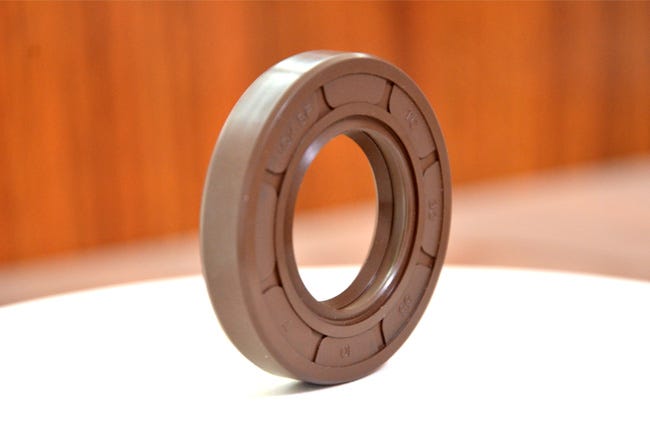
A rotary shaft oil seal is a sealing device used to seal the interface between a rotating shaft and a stationary part. It effectively prevents leakage of liquids, retains lubricants, and protects internal components from contamination. Typically, oil seals are made from rubber, metal, and plastic materials, offering excellent flexibility, wear resistance, and aging resistance.
2. Key Factors to Consider When Choosing a Rotary Shaft Oil Seal
Selecting the right rotary shaft oil seal depends on several critical factors:
2.1 Operating Environment of the Shaft
The environment in which the rotary shaft operates significantly affects the oil seal’s performance. For example, in high-temperature environments, the oil seal needs to have excellent heat resistance. In chemically corrosive environments, materials with high chemical resistance should be chosen. Understanding the operating environment is crucial when selecting the right material and specifications.
2.2 Shaft Speed
The speed at which the shaft operates also plays a vital role in selecting the oil seal. In high-speed applications, the oil seal must offer superior stability and friction resistance to prevent seal failure due to centrifugal forces. Therefore, selecting an oil seal with the appropriate characteristics to meet the required speed is essential for long-term performance.
2.3 Reliability and Durability
As a critical component, the reliability and durability of the oil seal are paramount. In machinery that operates continuously, the seal’s wear resistance and long-term durability directly impact maintenance frequency and operational costs. Choosing a seal with high resistance to wear, aging, and pressure can extend the service life of the equipment and reduce maintenance costs.
2.4 Material Selection
The material of the oil seal is another determining factor in its performance. Common materials include NBR (Nitrile Rubber), FKM (Fluorocarbon Rubber), and Viton. NBR is suitable for general lubricating oil seals, while FKM is ideal for high-temperature and chemically aggressive environments. Choosing the right material based on specific application requirements is crucial for achieving optimal sealing performance.
3. How to Choose the Right Brand and Supplier
For distributors and wholesalers, selecting the right brand and supplier is vital. Consider the following factors when making a choice:
3.1 Product Quality
Ensure that the brand you choose offers high-quality, reliable oil seals that meet your customers’ needs. Established brands typically have stringent quality control processes and certifications, which provide assurance of long-term product quality.
3.2 Lead Time and Inventory
Choose suppliers with sufficient inventory and quick delivery capabilities, ensuring that they can meet urgent demands and prevent delays in production schedules.
3.3 After-Sales Support
Good after-sales support is essential for resolving any issues that may arise during the use of the oil seals. Suppliers who provide technical support and maintenance services can enhance your market competitiveness.
4. Frequently Asked Questions
4.1 What should I consider when installing a rotary shaft oil seal?
Ensure the sealing surface is smooth and free from defects to prevent seal failure during installation. Also, confirm the correct installation orientation of the oil seal to avoid improper sealing.
4.2 What causes leakage in a rotary shaft oil seal?
Leakage can result from improper installation, incorrect material selection, excessive wear of the shaft surface, or extreme operating conditions. Regular inspection and timely replacement of worn seals can prevent leakage.
4.3 How can I extend the service life of an oil seal?
Maintaining clean operating conditions, monitoring temperature levels, and performing regular maintenance can extend the life of the oil seal. Prompt replacement of damaged seals is also crucial.
Choosing the right rotary shaft oil seal is essential for ensuring stable equipment operation and prolonging service life. Factors such as the operating environment, speed, material properties, and supplier reliability should all be taken into account. For wholesalers and distributors, understanding these technical aspects and selecting the best suppliers will provide better products and services for your customers.


Comments
Post a Comment