What are the Differences Between National and Industry Standards for Skeleton Oil Seals?
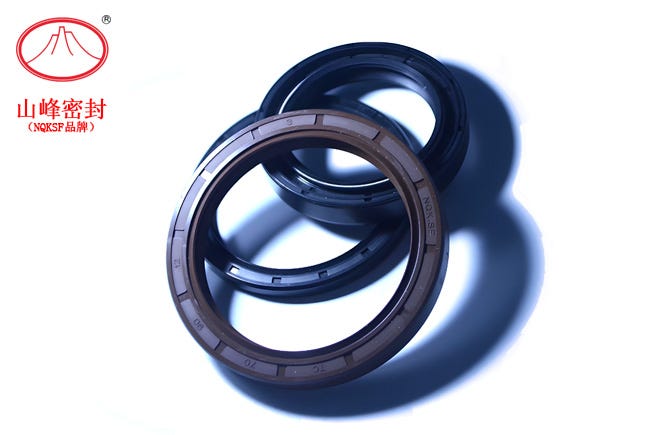
Skeleton oil seals are essential components in machinery and automotive systems, primarily serving to prevent oil leakage and block external contaminants. To ensure the quality and compatibility of skeleton oil seals, various national, industry, and international standards have been established to govern their design, manufacture, and performance. This article explores these standards in detail and examines their significance in quality control.
National Standards for Skeleton Oil Seals
The national standards for skeleton oil seals are published by the Standardization Administration of China (SAC). These standards cover key technical requirements such as design, dimensions, materials, and sealing performance, providing a rigorous framework for the production and use of oil seals in various applications.
Key National Standards:
GB/T 13871.1–2022: This is the fundamental standard for oil seals in China. It specifies the dimensions and tolerance requirements for elastomeric rotary shaft lip seals, including critical parameters like shaft diameter tolerance and radial tolerance. These specifications ensure that the oil seal fits perfectly with machinery, preventing sealing failure due to dimensional discrepancies.
GB/T 9877–2008: A widely-used standard in China, this document consolidates several previous oil seal standards. It details the structural dimensions, assembly requirements, and other essential guidelines to ensure the reliability and durability of oil seals in various mechanical applications.
Industry Standards: Detailed Requirements for Specific Applications
In addition to national standards, industry-specific standards address more granular requirements for oil seals used in particular sectors. These standards are especially relevant for automotive, mechanical, and other industries where specific operating conditions demand optimized performance.
Common Industry Standards Include:
JB/T 8193–2011: This standard, applicable to mechanical sealing components, emphasizes material selection, performance testing, and environmental requirements for oil seals used in mechanical equipment. It ensures stable performance under harsh conditions such as high pressure and temperature.
SAE J188–2006: A standard designed specifically for the automotive industry, it covers rotary sealing components used in vehicles. This standard requires oil seals to exhibit excellent oil resistance, high-temperature resistance, and sealing capabilities, particularly for critical components like engines and transmissions.
International Standards: Global Guidelines for Oil Seal Design
Given the global nature of manufacturing and trade, many skeleton oil seal manufacturers and suppliers must comply with international standards. These standards ensure that the quality and performance of oil seals are consistent across different markets worldwide.
Key International Standards Include:
ISO 6194: Published by the International Organization for Standardization (ISO), this standard specifies the design, materials, dimensions, and performance requirements for oil seals. It is one of the most widely adopted global standards for rotary shaft seals.
DIN 3760: A German standard that applies to high-performance mechanical seals, particularly those used in applications that demand high sealing efficiency, such as aerospace and precision machinery.
JIS 2402: The Japanese Industrial Standard that focuses on the design requirements for rotary shaft seals, emphasizing their reliability for long-term, high-load operations.
Applications of Standards: Ensuring Efficient Performance of Skeleton Oil Seals
These standards not only provide technical guidance for manufacturers but also play a critical role in quality control and in helping customers choose the appropriate oil seals for their equipment. Standardized designs and manufacturing processes ensure that oil seals maintain their high sealing efficiency and durability across a range of operating environments.
Ensuring Sealing Effectiveness: Through standardized dimensions and structural requirements, oil seals can effectively prevent leakage during equipment operation, ensuring smooth and stable machinery performance.
Enhancing Service Life: Standards specify material and performance requirements, reducing premature wear and tear, which minimizes downtime and maintenance costs.
Adapting to Various Work Environments: Industry-specific standards optimize oil seals for challenging conditions such as high temperatures, high pressures, or chemical exposure, ensuring reliability even in harsh environments.
By adhering to strict national, industry, and international standards, manufacturers can guarantee consistent product quality, while users can confidently select high-quality oil seals that meet the specific needs of their equipment.
Whether in industrial equipment or automotive sealing systems, understanding and applying the correct standards not only improves the performance and reliability of equipment but also significantly reduces failure rates and maintenance costs. Standardized skeleton oil seals are a key safeguard for machinery, automotive manufacturing, and repair industries globally.


Comments
Post a Comment