Why the Installation Orientation of a Skeleton Oil Seal Is Important and What Issues Occur When Installed Backwards?
Skeleton oil seals are widely used in industrial equipment, and proper installation is essential for ensuring sealing performance, extending equipment service life, and reducing failure rates. Among all installation details, the installation direction is often overlooked, yet it has a direct impact on the oil seal’s performance and the stability of the equipment.
Why is the installation direction of a skeleton oil seal so important?
A skeleton oil seal is typically made of rubber and a metal frame, and it is designed as a one‑way sealing structure. This means the internal and external structure, as well as the orientation of the sealing lip, must match the direction of fluid flow. Otherwise, the oil seal may fail, leading to oil leakage or the intrusion of external contaminants.
Sealing lip and lubricant direction: The sealing lip is designed to maintain proper contact with the lubricant surface and create a pressure difference that prevents oil leakage. If the oil seal is installed in the wrong direction, the lip cannot form an effective seal, resulting in lubricant escaping from the system.
Preventing contaminant intrusion: The outer structure of the oil seal is intended to block dust, moisture, and other contaminants. When installed backward, contaminants can more easily enter the sealing area, causing abnormal system operation and reducing equipment lifespan.
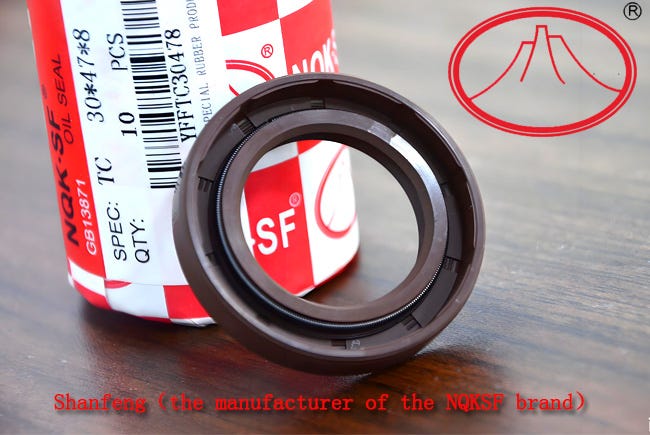
Consequences of installing the oil seal backward
Installing a skeleton oil seal in the wrong direction can lead to a series of issues and may even cause severe equipment damage. Common problems include:
Lubricant leakage: Loss of sealing performance is the most immediate consequence. Without proper lubrication, components may wear prematurely.
Accelerated wear and equipment failure: If the oil seal cannot properly contact the shaft surface, friction increases, causing excessive wear on the seal. This affects equipment stability and may even lead to unexpected shutdowns.
Overheating and reduced efficiency: Seal failure can cause internal temperatures to rise. With insufficient lubrication, mechanical efficiency drops significantly, and overheating failures may occur.
Key installation points and recommendations
To ensure effective sealing and reduce equipment failures, the following points are crucial:
Confirm the installation direction: Most skeleton oil seals have arrows or markings indicating the correct orientation. Always follow the equipment manual or the markings on the seal.
Use proper installation tools: Specialized tools help prevent damage during installation and ensure the seal is installed evenly, maintaining proper sealing performance.
Check shaft surface smoothness: Before installation, inspect the shaft surface to ensure it is smooth and free of burrs or irregularities. This helps prevent wear during operation.
Perform regular inspection and replacement: Over time, oil seals may lose sealing performance due to wear or aging. Regular inspection and timely replacement help prevent failures caused by seal degradation.
Conclusion
Correct installation of a skeleton oil seal is fundamental to ensuring long‑term, stable equipment operation. By confirming the installation direction, using proper tools, and performing regular maintenance, you can effectively avoid problems caused by incorrect installation. To prevent installation errors, it is advisable to consult technical personnel before installation to confirm the correct direction and procedure.
If you encounter difficulties during installation or are unsure about the correct method, refer to the manufacturer’s installation manual or consult professional technical support to ensure the oil seal is installed according to technical requirements and the equipment operates safely.


Comments
Post a Comment