How Can Robot Gripper O Rings Achieve Both Reduced Weight and Stable Sealing Performance?
Many engineers working on robotic end‑effectors face the same challenge: how to reduce weight without compromising sealing performance. In reality, the o ring itself offers very little room for “lightweighting.” The real question is whether the surrounding structure can be optimized while keeping the sealing zone rigid and reliable.
Standardize Sealing Components and Avoid Unnecessary Modifications
Keep o ring dimensions unchanged
Using standardized o rings such as ISO 3601 or AS568 sizes is the safest approach. It prevents issues caused by altering cross‑sections, materials, or dimensions and ensures consistent sealing performance while simplifying production and maintenance.
Do not compromise material performance
O ring materials and properties — such as hardness and elasticity — must be selected based on application requirements. Over‑adjusting hardness or compression in the name of lightweighting can reduce sealing effectiveness and shorten service life.
Lightweight Structural Components Without Affecting Sealing Performance
Optimize structural design
Lightweighting should focus on fixtures and structural components, not the sealing element. Thin‑wall designs and lightweight materials such as aluminum alloys or engineering plastics can reduce mass while maintaining the rigidity of the sealing zone.
Use lightweight materials
Replacing steel with aluminum alloys, POM, PA+GF, or other composite materials reduces overall weight without compromising the geometry or performance of the sealing region.
Proper Control of Groove Design
Optimize groove geometry
Groove dimensions — width, depth, and overall shape — must provide sufficient compression while maintaining structural stiffness. Poorly designed grooves may deform under pressure, leading to leakage.
Balance compression and stretch
Within standard guidelines, compression should typically remain between 10 and 30 percent. Excessive compression or structural thinning can weaken the sealing zone and increase failure risk.
Simplify Air Channels and Accessory Components
Streamline pneumatic pathways
Combining small chambers and reducing unnecessary sealing surfaces lowers weight and minimizes potential leakage points.
Integrated structural design
Integrating multiple functions into a single component reduces flanges, gaskets, and additional sealing surfaces. This decreases weight and simplifies assembly and maintenance.
Durability and Reliability Testing
Material selection
Choose materials that maintain long‑term stability under actual operating conditions. For example, FKM performs well in high‑temperature or oil‑rich environments and helps maintain sealing reliability even in lightweight designs.
Real‑world testing
Simulation and field testing are essential to verify sealing performance under different lightweight configurations and ensure that reliability is not compromised.
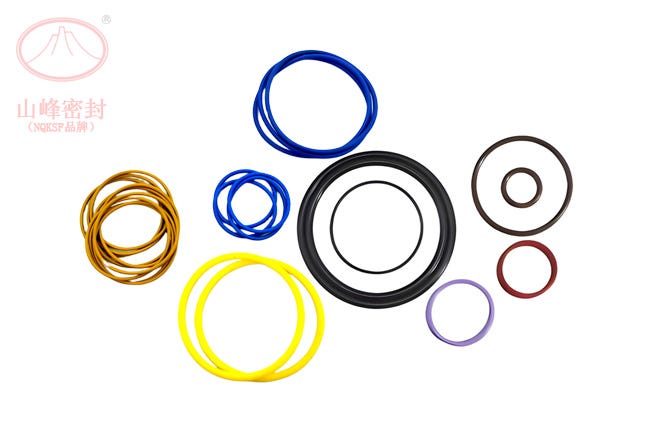
Achieving lightweight design and sealing reliability is entirely possible when the focus is placed on structural optimization rather than modifying the o ring itself. By maintaining standardized sealing components, preserving the rigidity of the sealing zone, and optimizing surrounding structures, engineers can reduce weight without sacrificing performance. This approach ensures both the agility of the end‑effector and the long‑term stability of the sealing system.


Comments
Post a Comment