How Do O Rings Ensure Reliable Sealing in Environments with Pesticides and Fruit Juice?
The O‑rings used in agricultural harvesting robot end effectors are continuously exposed to pesticides, fruit and vegetable juices such as citric acid, tomato juice, and glucose solutions, as well as high‑humidity environments. These conditions can easily cause swelling, hardening, cracking, or chemical degradation, ultimately leading to seal failure and equipment malfunction. To ensure long‑term reliability, it is essential to choose materials that can withstand these demanding conditions. Below are several suitable O‑ring materials and their key characteristics.
Fluorocarbon Rubber (FKM)
Why choose FKM?
FKM is widely used in environments requiring resistance to high temperatures and chemical corrosion. For agricultural harvesting robots, its advantages are particularly significant. FKM provides strong resistance to most pesticide solvents, especially oil‑based formulations, as well as organic acids commonly found in fruit and vegetable juices. In addition, it offers excellent thermal stability, making it well suited for dynamic sealing applications such as joints and piston mechanisms. In short, FKM O‑rings are an ideal choice for components that operate in long‑term contact with pesticides and liquid media.
Perfluoroelastomer (FFKM)
A premium option for high‑precision applications
FFKM offers near‑universal chemical compatibility, covering strong acids, strong oxidizing agents, and a wide range of organic solvents. Its corrosion resistance far exceeds that of standard fluorocarbon rubber, resulting in exceptionally long service life. Although FFKM is significantly more expensive, it is a strong candidate for harvesting robots operating in extremely harsh environments or requiring high‑precision sealing performance.
Polytetrafluoroethylene (PTFE)
Outstanding chemical inertness, but not suitable as a standalone O‑ring
PTFE is known for its exceptional chemical inertness and can withstand virtually all types of pesticides and cleaning agents. However, its rigidity and lack of elastic recovery limit its use as a conventional O‑ring material. PTFE is more commonly used in gaskets, valve seats, or as part of PTFE‑encapsulated O‑rings. Under high pressure, PTFE may experience cold flow, which must be controlled through careful structural design, such as the use of shoulders or limit rings.
How to Choose the Right O‑Ring Material
Based on the operating conditions of agricultural harvesting robot end effectors, FKM and FFKM are generally the most suitable choices. If the pesticides or liquids used in your application are particularly aggressive or unique, a customized O‑ring solution may be necessary to ensure long‑term sealing performance and equipment stability.
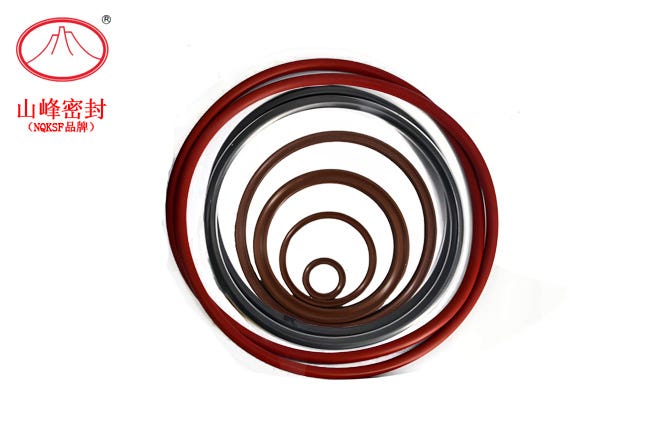
Quick Recommendations
FKM: Suitable for most pesticide solvents and fruit or vegetable juices; cost‑effective and ideal for dynamic sealing.
FFKM: Offers superior chemical compatibility and long service life; best for high‑end precision equipment.
PTFE: Highly corrosion‑resistant but rigid; typically used in combination with other materials.
Selecting the right O‑ring material is essential for maintaining the long‑term stability and reliability of agricultural harvesting robot end effectors. If your application involves more complex environmental conditions or higher technical requirements, customized O‑ring solutions can provide an additional level of protection and performance.


Comments
Post a Comment