How Do Oil Seals Maintain Reliable Sealing on Mobile Robots AGV AMR Drive Axles Across Various Surfaces?
For AGV and AMR robots to operate reliably over long periods, the sealing performance of the drive‑wheel axle is a critical factor. The real challenge is not simply whether a skeleton oil seal “works,” but whether the skeleton oil seal can actively adapt to changes in dust levels, humidity, chemical exposure, and impact loads.
To achieve this adaptability, the seal must provide three fundamental capabilities:
Sufficient material resistance
Adequate lip elasticity
Stable alignment with the shaft system
Why sealing strategies must change with different floor conditions
The reason is straightforward: floor conditions determine the type and behavior of contaminants. Once dust, moisture, or chemical media enter the bearing chamber, grease deteriorates rapidly, shaft wear accelerates, and the drive wheel may eventually fail. If the seal cannot adjust its material, lip structure, and protective features to match the environment, its service life will inevitably be shortened by the operating conditions.
How to select seals for common floor environments
Indoor smooth floors (electronics plants, warehouse centers)
Environment characteristics:
Fine, small‑particle dust
Mainly airborne contaminants
Low humidity and low impact loads
Sealing focus: stable lip contact rather than water resistance
Recommended configuration:
Materials: NBR or HNBR
Structure: Single main lip with a light dust lip
Key requirement: Stable lip contact pressure and good wear resistance
This setup is sufficient for most indoor AGV applications.
Outdoor mixed surfaces (campus roads, loading areas)
Environment characteristics:
Larger dust particles
Significant humidity fluctuations
Frequent mud and water splash
Sealing focus: weather resistance and mud‑water exclusion
Recommended configuration:
Materials: FKM or reinforced HNBR
Structure: Dual‑lip design, with the outer lip blocking mud and debris
Detail: Metal case should have corrosion protection
Using an indoor‑type seal in this environment often leads to rapid failure.
High‑humidity or chemical environments (food plants, chemical warehouses)
Environment characteristics:
Water exposure
Cleaning agents
Weak acids, weak alkalis, or other chemical media
Sealing focus: chemical compatibility over mechanical wear
Recommended configuration:
Materials: FKM, EPDM, or specialty chemical‑resistant elastomers
Design: Increased lip preload to prevent momentary leakage during washing
Ignoring chemical compatibility will significantly accelerate seal aging.
High‑impact, high‑load conditions (heavy‑duty AGVs, fork‑type AMRs)
Environment characteristics:
Frequent micro‑movements of the shaft
Noticeable shaft runout
High impact loads
Sealing focus: structural stability
Recommended configuration:
Thicker metal case
Reinforced spring
High‑wear‑resistance lip materials
The goal is to minimize lip wear caused by dynamic shaft movement.
System‑level improvements for long‑term reliability
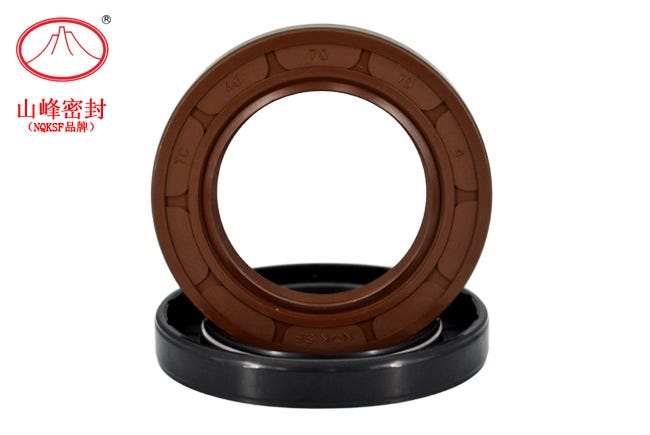
To ensure seals truly last in complex environments, system‑level optimization is essential:
Selection stage: Establish clear environment‑based classification instead of using one seal for all conditions
Design stage: Reserve adequate axial and radial stability margins
Maintenance stage: Implement periodic inspections to detect lip wear early
When material selection, structural design, installation quality, and maintenance form a complete loop, AGV and AMR robots can maintain stable and predictable drive performance across all floor environments.


Comments
Post a Comment