What Types of Oil Seals are Used for Different Industrial Applications?
Industrial oil seals come in many forms, but only a few types are commonly used in factory environments. They are usually classified by structure, material, or motion type, depending on the application requirements.
Structural Classification
One of the most widely used designs is the TC type, a double‑lip oil seal with a metal case. It is commonly found in motors, gear reducers, and pumps. In cleaner environments, single‑lip designs such as TA or TB are sometimes preferred because they have a simpler structure and lower friction.
There are also non‑metal‑cased seals, such as VC and VB types. These are softer and more flexible, making them suitable for installations with limited space. In construction and agricultural machinery, cassette seals are popular. They are larger and more complex but offer excellent resistance to mud, water, and dust, making them ideal for harsh outdoor conditions.
Material Classification
Material selection is generally straightforward. Nitrile rubber (NBR) is the standard choice for general applications due to its good oil resistance and reasonable cost. When temperatures rise or shaft speeds increase, FKM becomes the preferred option because of its superior heat resistance and durability.
For extreme conditions — such as high‑speed spindles or robotic joints — polytetrafluoroethylene (PTFE) is often required. PTFE provides very low friction and excellent temperature resistance, although it is more expensive.
Classification by Motion Type
When classified by motion, the differences become even clearer. Oil seals are designed primarily for rotating shafts. For reciprocating motion, such as in hydraulic or pneumatic cylinders, U‑rings, Glyd rings, and similar seals are used instead of traditional oil seals.
For small‑angle oscillating motion, dedicated oscillating seals are required. Standard oil seals cannot withstand the repeated bending of the lip in these conditions and tend to fail prematurely.
Industry‑Specific Categories
Oil seals are sometimes grouped by industry — such as automotive seals, construction‑machinery seals, food‑grade seals, or high‑speed spindle seals. These categories are essentially combinations of specific materials and structural designs rather than entirely separate classifications.
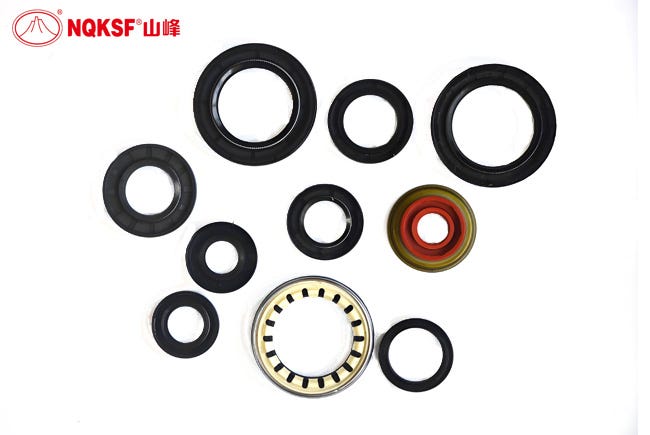
Although industrial oil seals come in many forms, their selection is based on structure, material, and motion type. Understanding these categories helps ensure proper application and reliable performance in different industrial environments.


Comments
Post a Comment